Introduction
As technology continues to shape every industry, the definition of a high-quality product must evolve. Technical assessment tests are now essential in evaluating skills, improving product quality, and ensuring safety and performance.
In this blog post, we’ll explore how technical assessments play a critical role in successful project execution, effective hiring, and long-term organizational success.
What Are Technical Assessment Tests?
Technical assessment tests evaluate a candidate’s technical knowledge, aptitude, and problem-solving abilities. These tests help employers make informed hiring decisions quickly and objectively.

Technical assessments come in various forms:
- Coding assignments
- Online quizzes
- Technical simulations
- Problem-solving challenges
They are commonly used during recruitment to verify a candidate’s hands-on ability, going beyond resumes and interviews to demonstrate real-world technical competency.
Why Are Technical Assessments Crucial in Hiring?
Technical assessments ensure that a candidate possesses the practical knowledge required for a role. A well-structured test reveals insights into:
- Core technical skills
- Logical reasoning
- Communication and collaboration abilities
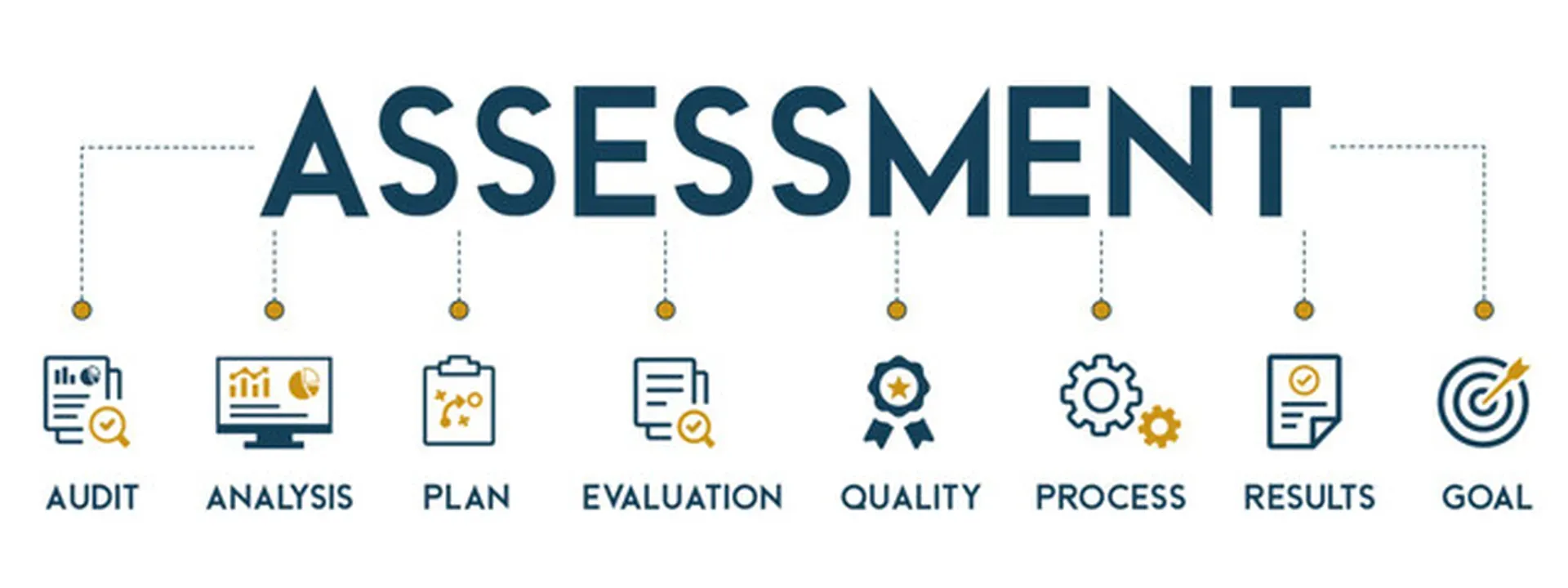
Assessments also help hiring managers:
- Reduce bias in hiring
- Increase efficiency in screening large candidate pools
- Confirm technical fit for the role
Ultimately, they reduce hiring risks and ensure long-term job performance.
What Is Technical Skills Testing Software?
Technical skills testing software automates the assessment process, enabling companies to efficiently evaluate technical candidates.

These platforms offer:
- Custom coding environments
- Language-specific challenges
- Analytical and aptitude tests
- Instant feedback and scoring
They are ideal for roles in IT, engineering, software development, and data science.
Understanding Technical Assessments
A technical assessment is a structured evaluation used to measure a candidate’s proficiency in technical subjects.

Assessments typically include:
- Multiple-choice questions
- Hands-on coding exercises
- Real-world problem scenarios
They are used in both recruitment and internal evaluations to ensure team members meet technical performance standards.
Top 6 Technical Skills Assessment Test Tools
Here are six trusted tools employers use to assess technical proficiency:

- Criteria Cognitive Aptitude Test (CCAT) – Measures problem-solving, logic, and learning ability.
- PI Cognitive Assessment – Tests reasoning and decision-making under pressure.
- Hogan Assessment Suite (HAS) – Evaluates interpersonal behavior and risk-taking tendencies.
- Caliper Profile – Assesses motivation, personality traits, and job fit.
- Microsoft Technical Assessment (MTA) – Tests foundational IT and programming skills.
- IT Pre-Employment Assessment (ITPEA) – Evaluates technical support, software skills, and system troubleshooting.
Streamlining High-Volume Hiring
With the right automation tools, companies can manage high volumes of applicants more effectively.

Use the following to reduce time-to-hire:
- Applicant Tracking Systems (ATS)
- AI-powered screening
- Automated scheduling and scoring
Maintaining a strong employer brand and providing a positive candidate experience is key.
Aligning Candidates with Roles and Culture
Beyond skills, employers must consider candidate alignment with company values and team dynamics.
Ask:
- How does this candidate’s work ethic align with our mission?
- Can they contribute positively to our team culture?
Conduct behavioral interviews, request past work examples, and gather references to confirm long-term fit.
Popular Tools for Technical Assessments

Here are three platforms that make evaluating technical skills easier and more accurate:
1. Codility
Assesses coding skills across levels using real-world scenarios and task automation.
2. HackerRank
Offers pre-built challenges in data structures, algorithms, and system design for various tech roles.
3. Devskiller
Provides real-time coding environments with customizable tasks aligned to job requirements.
The 6 Best Technical Screening Tools
- CodeSignal – Customizable coding tasks and real-time assessments with automated grading.
- CodeFights – Competitive coding challenges for testing core programming skills.
- Codility – Popular for large-scale hiring pipelines with detailed candidate analytics.
- CodinGame – Offers gamified coding environments to engage and assess technical depth.
- Mettl – Comprehensive assessments for roles in AI, programming, and data science.
- HackerRank – Covers various technical areas with collaboration and interview features.
Types of Technical Assessment Tests

Employers can choose from a wide range of technical test types, including:
Programming Tests
Evaluate knowledge of coding languages (Java, Python, C++), algorithms, and frameworks.
Networking Tests
Cover IP protocols, routing, network security, and configuration management.
Database Tests
Test knowledge of SQL, data modeling, indexing, and query optimization.
Security Tests
Assess understanding of encryption, vulnerability testing, and secure system design.
Mobile Development Tests
Examine skills in iOS/Android development, mobile UI/UX, and app integration.
Take-Home Coding Challenges

Take-home coding tasks allow candidates to demonstrate problem-solving and creativity in a pressure-free setting.
Best practices:
- Define clear requirements
- Allow realistic timelines
- Request clean code and documentation
This method gives recruiters a more accurate view of real-world technical performance.
What Do Technical Tests Cover?

Common areas include:
- Coding and debugging
- Software engineering practices
- System architecture and database design
- UI/UX principles
- Cloud computing
- Algorithmic thinking
Some assessments also test soft skills like communication, adaptability, and collaboration.
Questions to Ask in Technical Assessments

Key questions to include:
- What coding languages have you worked with?
- Can you explain a recent technical challenge you solved?
- How do you approach debugging?
- What’s your experience with version control systems?
- How do you ensure your code is secure and efficient?
Use these questions to supplement test results and evaluate cultural fit and learning agility.
Conclusion
Technical assessment tests are no longer optional—they’re essential tools for building strong teams and successful projects. By using the right tools, designing purposeful assessments, and evaluating both technical and soft skills, employers can confidently hire top talent.
Whether you’re screening candidates, onboarding new team members, or launching a new product, incorporating robust technical assessments will help you build with confidence, reduce risk, and innovate more effectively.